
Here’s something that surprises most first-time exporters: India is among the top 20 exporting countries in the world, yet thousands of small and mid-sized manufacturers sit on globally competitive products, and never sell a single unit abroad. Not because their products aren’t good enough. Because they simply don’t know where to start.
If you’ve been wondering how to export from India and keep hitting a wall of confusing paperwork, unclear buyer channels, and too many middlemen, this guide is for you. We’ll walk through everything practically: registrations, documentation, finding buyers, and the platforms that actually move the needle in 2026.
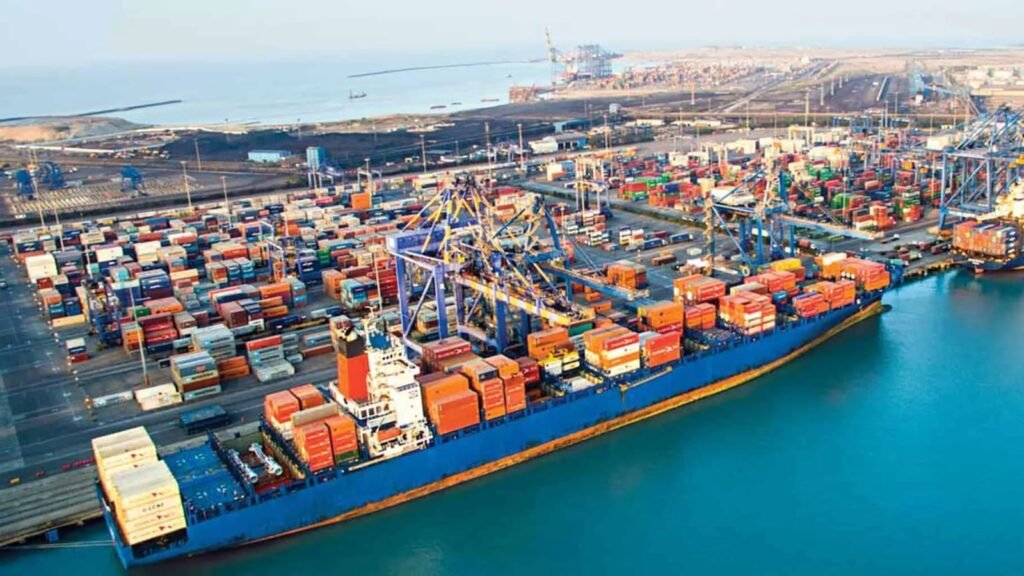
Why 2026 Is Actually a Smart Time to Start Exporting
The global B2B trade landscape has shifted meaningfully over the last two years. Buyers in the Middle East, Europe, and Southeast Asia are actively diversifying away from China-only sourcing. India has stepped into that gap — especially in sectors like textiles, engineering goods, chemicals, agriculture, and handicrafts.
At the same time, digital marketplaces like Alibaba, IndiaMART Global, and Amazon Global Selling have dramatically lowered the barrier to entry. You no longer need a trading house or an export agent to access international buyers. A well-optimized B2B profile can do more work for you than a trade fair trip used to.
Quick stat: India’s merchandise exports crossed $430 billion in FY2024 and the government’s target is $2 trillion by 2030. The opportunity for SMEs has never been more tangible, but only for those who are properly set up.
Step-by-Step: How to Start Exporting from India
Let’s break this down into the actual steps ,no fluff, no theory. Just what you need to do, in order.
1.Get Your IEC (Import Export Code)
The IEC is the single most important registration for any Indian exporter. It’s issued by the DGFT (Directorate General of Foreign Trade) and is essentially your legal identity in global trade. Apply online at dgft.gov.in. The process is fairly quick ,usually 2–3 working days, and costs around ₹500. No IEC means no export. Simple as that.
2.Register Under GST and Link it to Your IEC
If you’re already GST-registered, ensure your GSTIN is linked with your IEC profile. This is essential for claiming GST refunds on exports (zero-rated supplies under IGST). Many exporters lose lakhs simply because this linkage isn’t done correctly at the start.
3.Open a Current Account with an Authorized Dealer Bank
You’ll need a bank account with an AD (Authorized Dealer), almost all major banks qualify. This account will be used for receiving foreign payments and submitting eBRC (Electronic Bank Realization Certificate), which is required for export incentive claims.
4.Choose Your Export Product and HS Code
Every export product has an HS (Harmonized System) code, an 8-digit classification used globally. Getting this right matters because it determines your export duty, any restrictions, and eligibility for government schemes like RoDTEP. Wrong HS codes are one of the most common and costly mistakes new exporters make.
5.Decide Your Export Mode: Direct, Merchant, or via Marketplace
Direct export means you sell and ship to overseas buyers yourself. Merchant export involves selling to a domestic exporter who then handles the shipping. Marketplace export (via Alibaba, Amazon Global) is increasingly popular for SMEs, lower risk, faster feedback, and built-in buyer trust signals.
Export Documentation: What You Actually Need
Documentation is where most new exporters stumble. Get one document wrong and your shipment gets held up at customs, on either end. Here’s your core checklist for a standard export shipment:
Commercial Invoice
Your primary billing document. Must include buyer/seller details, HS code, unit price, total value, and terms of payment.
Packing List
Details of each package: dimensions, weights, contents. Required by both freight forwarders and destination customs.
Bill of Lading (for sea) / Airway Bill (for air)
Issued by the carrier. Proof that the goods were handed over for shipment.
Certificate of Origin (CoO)
Issued by your local Chamber of Commerce. Required in most countries for duty benefits under trade agreements (e.g. India,UAE CEPA).
Shipping Bill
Filed on India Customs’ ICEGATE portal. This is your official export declaration to Indian customs.
GST Tax Invoice + LUT/Bond
If you’re exporting under LUT (Letter of Undertaking), you export without paying GST upfront and claim a refund.
Depending on your product and destination country, you may also need a Phytosanitary Certificate (agricultural goods), FSSAI approval (food products), BIS certification, or product-specific conformity documents.
Finding International Buyers: Where It Actually Happens in 2026
The honest truth? Cold emails to random overseas importers rarely work. Buyers want verified, trusted suppliers, and they look for them in specific places.
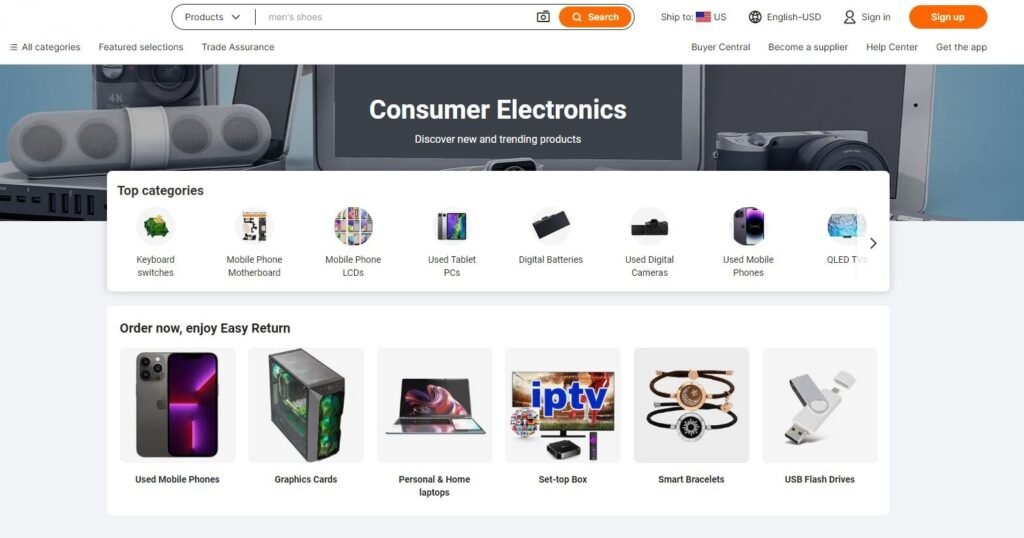
Alibaba.com, Still the Biggest B2B Stage
For Indian exporters targeting buyers in the US, Europe, Middle East, and Southeast Asia, Alibaba.com remains the most powerful channel, if used correctly. And that last part is key. Simply creating a profile and listing products is not enough. Your store needs proper SEO optimization, keyword-rich product titles, quality images, detailed specs, and a strong Trust Score. We’ve seen exporters double their inquiry volume purely through profile restructuring and keyword strategy.
Amazon Global Selling
If you’re in categories like home décor, apparel, personal care, or small appliances, Amazon Global Selling (FBA for exports) can work extremely well. It’s more competitive and margin-sensitive than B2B channels, but the built-in buyer traffic is hard to argue with.
Trade Shows and Buyer Directories
India Trade Promotion Organisation (ITPO) hosts sector-specific trade fairs. FIEO, EPC bodies, and APEDA (for agri) also run buyer-meet programs. These are worth attending, but combine them with a strong online presence, not as a substitute.
Common Mistakes New Exporters Make
We see these over and over, and they’re all avoidable:
- Using the wrong HS code, leading to excess duty or compliance issues at destination
- Not filing the LUT/Bond before exporting, resulting in blocked GST refunds
- Accepting payment via T/T without a proper export contract or proforma invoice
- Creating an Alibaba profile with generic product titles and no keyword research
- Skipping the Certificate of Origin and losing out on preferential duty rates
- Not reconciling shipping bills with eBRC, which delays or blocks incentive benefits
- Assuming all buyers in the Middle East work the same way, UAE, Saudi, and Oman each have different import regulations
Important:
RoDTEP and IGST refund claims have time-bound deadlines. Missing them is money left on the table, sometimes significant amounts for regular exporters.
Expert Tips to Scale Your Export Business Faster
- Get your IEC, GST, and bank account set up together, don’t wait until you have an order
- Invest in professional product photography before listing on any B2B platform
- Research your target market’s import duties using the destination country’s customs portal before pricing your product
- Respond to buyer inquiries within 24 hours, response rate is a ranking factor on Alibaba
- Use India’s FTA benefits (CEPA with UAE, FTA with ASEAN) to offer competitive landed costs
- Hire a licensed Customs Broker (CHA) for your first few shipments rather than DIY-ing it
- Track your eBRC filings carefully, they’re required for several government incentive claims
Ready to Start Exporting, the Right Way?
Exporting from India in 2026 is genuinely more accessible than it’s ever been. But there’s still a real difference between exporters who struggle through trial and error for years and those who get set up right from the beginning.
At Globalyze Services, we work hands-on with Indian exporters to help them:
- Optimize their Alibaba store for maximum inquiry generation
- Handle all export documentation, from Shipping Bills to CoO to LUT filings
- Build professional export-ready websites that build buyer trust
- Grow sustainably on B2B marketplaces with the right positioning
We don’t just advise, we execute. If you’re serious about international trade, let’s talk. Get in Touch with Globalyze